WANT TO SAVE THIS RECIPE?
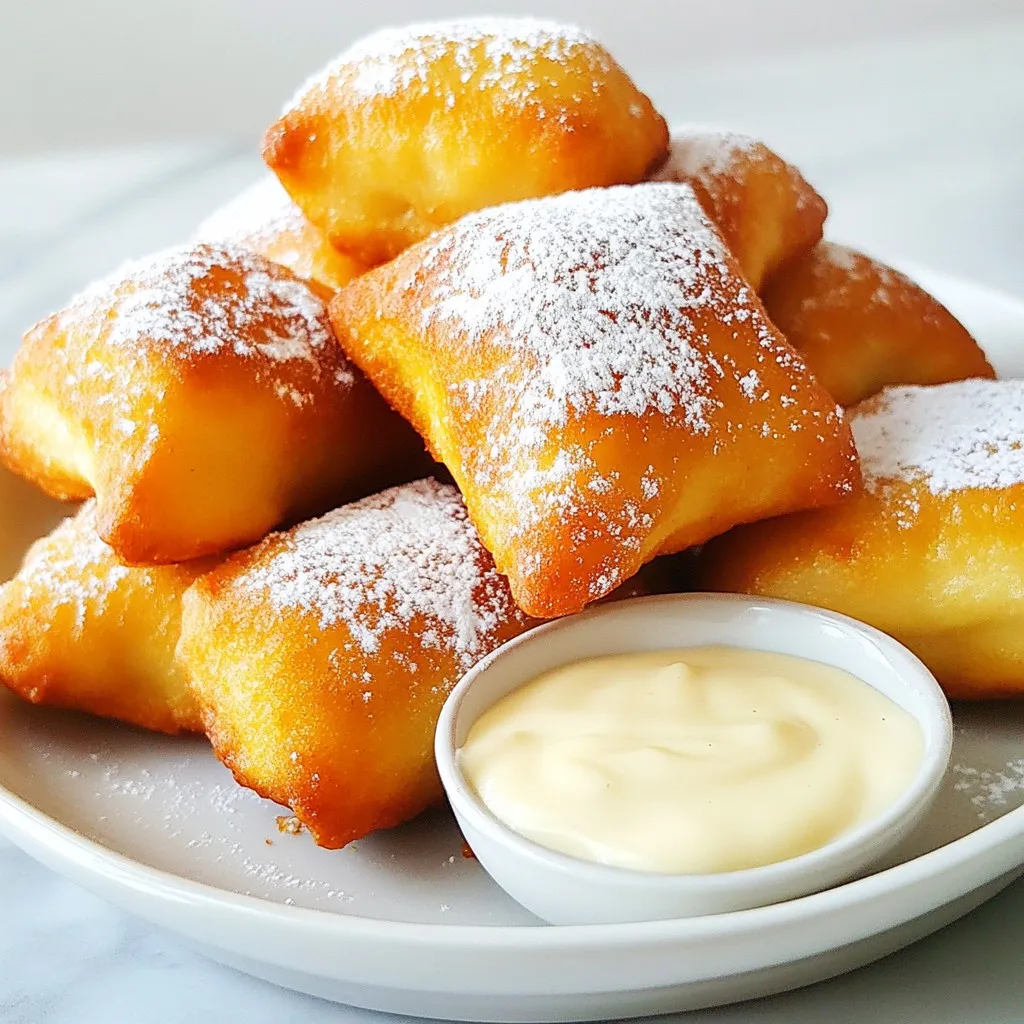
Are you ready to indulge in the warm, sweet world of glazed buttermilk beignets? I’ll guide you through a simple recipe that brings cafe-style delight to your home kitchen. With just a few easy ingredients and straightforward steps, you’ll be frying up golden, fluffy beignets in no time. Let’s dive into this tasty adventure and learn how to make these scrumptious treats that everyone will love!
Why I Love This Recipe
- Deliciously Sweet: The combination of buttermilk and nutmeg creates a wonderfully rich and flavorful dough that is perfectly sweetened.
- Easy to Make: This recipe requires simple ingredients and straightforward steps, making it accessible for bakers of all skill levels.
- Perfectly Glazed: The warm, sugary glaze adds a delightful finish to each beignet, ensuring they are irresistible right out of the fryer.
- Versatile Treat: These beignets can be enjoyed for breakfast, dessert, or any time in between, making them a versatile addition to any occasion.
Ingredients
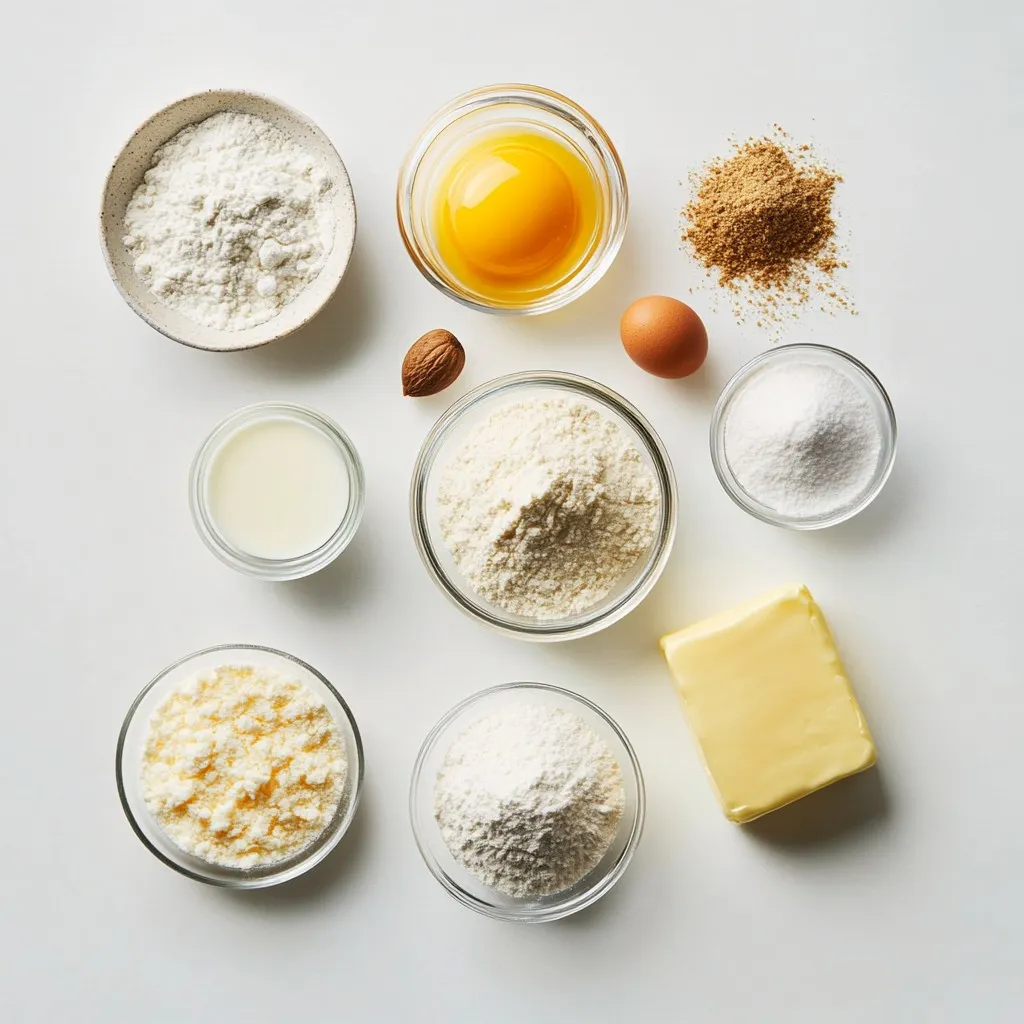
List of Ingredients for Glazed Buttermilk Beignets
– 2 cups all-purpose flour
– 1/2 cup granulated sugar
– 1 tablespoon baking powder
– 1/2 teaspoon baking soda
– 1/2 teaspoon salt
– 1/2 teaspoon ground nutmeg
– 3/4 cup buttermilk
– 1 large egg
– 1 teaspoon vanilla extract
– 1/4 cup unsalted butter, melted
– Oil for frying
– For the glaze:
– 1 cup powdered sugar
– 2-3 tablespoons milk
– 1 teaspoon vanilla extract
Key Ingredients Explained
All-purpose flour gives the beignets their structure. It helps them rise and stay fluffy. Granulated sugar adds sweetness. The sugar also helps the dough brown when frying. Baking powder and baking soda are key leavening agents. They make the beignets light and airy. Salt enhances the flavors. Ground nutmeg adds a warm, spicy note that makes these treats special. Buttermilk gives a tangy taste and tender texture. The egg helps bind the dough and adds richness. Vanilla adds a lovely aroma, while melted butter makes the dough softer.
Substitutions for Common Ingredients
If you don’t have buttermilk, you can make your own. Mix 3/4 cup of milk with 1 tablespoon of vinegar or lemon juice. Let it sit for five minutes. For a healthier option, use whole wheat flour instead of all-purpose flour. If you want fewer calories, reduce the sugar slightly. You can also use coconut oil or vegetable oil for frying if you prefer.
Step-by-Step Instructions
Detailed Cooking Process
To make glazed buttermilk beignets, start by mixing your dry ingredients. In a large bowl, add 2 cups of flour, 1/2 cup of sugar, 1 tablespoon of baking powder, 1/2 teaspoon of baking soda, and 1/2 teaspoon of salt. Sprinkle in 1/2 teaspoon of ground nutmeg for extra flavor. Mix all these well.
Next, in another bowl, combine 3/4 cup of buttermilk, 1 large egg, 1 teaspoon of vanilla extract, and 1/4 cup of melted butter. Whisk until smooth. Pour this mixture into the dry ingredients. Stir gently until just combined. The dough should feel slightly sticky but not wet.
Transfer the dough to a floured surface. Knead it gently for one minute. Pat it out to form a rectangle about 1/2 inch thick. Use a sharp knife to cut the dough into squares, around 2 inches by 2 inches.
Tips for Preparing the Dough
When mixing, avoid overmixing the dough. This keeps your beignets light and fluffy. If the dough feels too sticky, sprinkle a little more flour. Remember, a little stickiness is okay.
Always flour your surface well when rolling out the dough. This prevents sticking and makes cutting easier. If you want a smoother dough, let it rest for 10-15 minutes after kneading. This helps the gluten relax.
Frying Techniques for Perfect Beignets
Heat about 2 inches of oil in a deep pan to 350°F (175°C). Use a thermometer to check the temperature. Once hot, carefully drop in the dough squares. Avoid overcrowding them. Fry for 2-3 minutes on each side. They should turn golden brown.
Once done, use a slotted spoon to remove the beignets. Place them on paper towels to drain excess oil. While they are still warm, dip them into the glaze. For the glaze, mix 1 cup of powdered sugar with 2-3 tablespoons of milk and 1 teaspoon of vanilla. Adjust to your desired thickness. Let the glazed beignets sit on a wire rack for a bit before serving. Enjoy your sweet treat!
Tips & Tricks
How to Achieve the Best Texture
For the best texture, mix the dough gently. Overmixing makes beignets tough. Make sure the dough is slightly sticky. Knead it just enough until it holds together. Aim for a thickness of half an inch when patting the dough. This thickness helps them puff up nicely when fried. Fry them in hot oil, about 350°F. This keeps them crispy on the outside and soft inside.
Common Mistakes to Avoid
Avoid overcrowding the pan when frying. This lowers the oil’s temperature and can lead to soggy beignets. Do not skip the resting time after glazing. This helps the glaze set and enhances the flavor. Also, be careful when measuring ingredients. Too much flour or sugar can change the dough’s texture. Lastly, remember to keep an eye on the frying time. Overcooked beignets can become dark and hard.
Serving Suggestions for Glazed Beignets
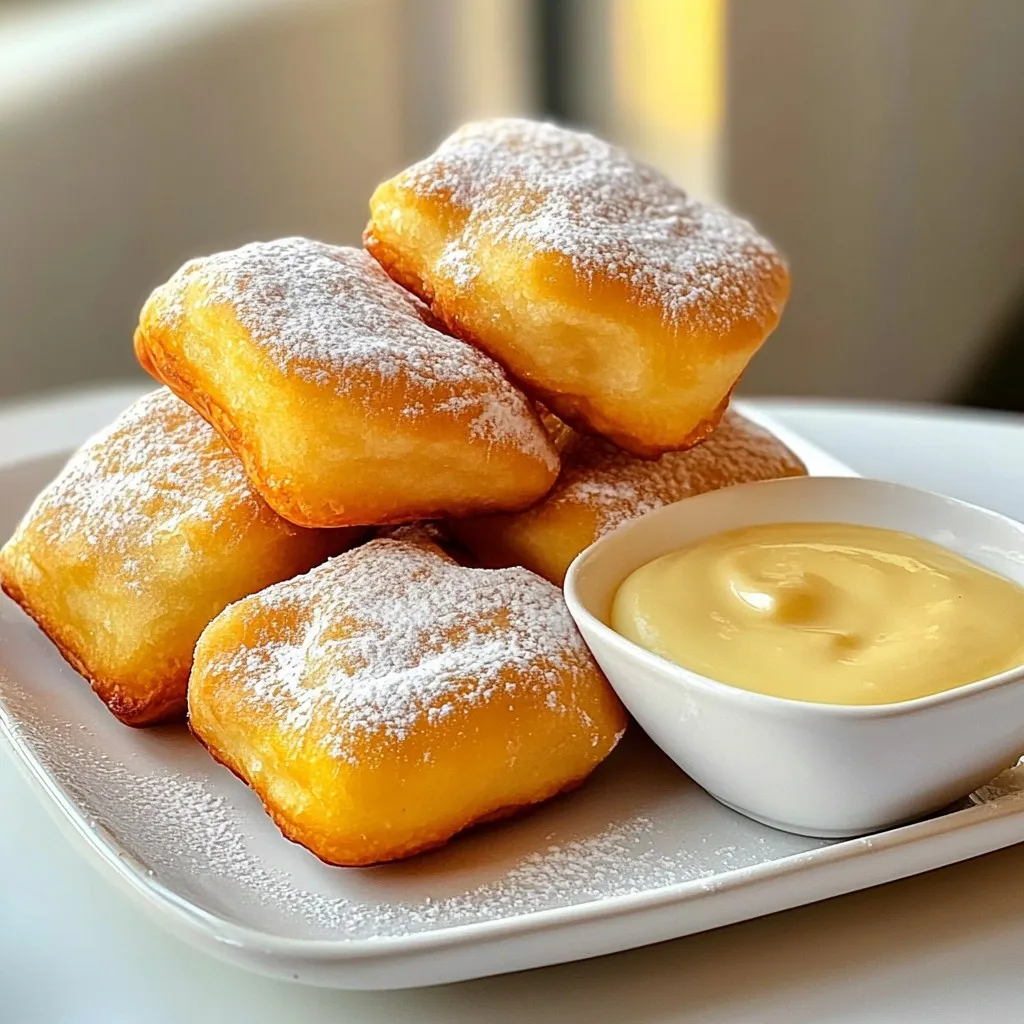
Serve the beignets warm for the best taste. Dust them with powdered sugar for a lovely look. You can also offer a side of extra glaze for dipping. For a special touch, add edible flowers or fresh mint leaves as garnish. Pair them with coffee or hot cocoa for a delightful treat. Guests will love the warm, sweet flavors and the charming presentation.
Pro Tips
- Use Fresh Ingredients: Always use fresh buttermilk and high-quality butter for the best flavor and texture in your beignets.
- Temperature Matters: Ensure the oil is at 350°F (175°C) before frying; too cool will result in greasy beignets, while too hot will burn them.
- Don’t Overmix: Mix the dough until just combined to keep the beignets light and fluffy; overmixing can lead to dense pastries.
- Glazing Technique: Dip the warm beignets into the glaze for a thorough coating; letting them cool slightly before glazing helps the glaze adhere better.
Variations
Unique Flavor Additions
You can add fun flavors to your beignets. Try mixing in lemon zest, chocolate chips, or cinnamon. Each of these will change the taste. A little nutmeg adds warmth too. If you want a fruity twist, add mashed bananas or pureed pumpkin. This can make your beignets stand out at any gathering.
Gluten-Free Beignet Options
If you need gluten-free beignets, you can use gluten-free flour. Almond flour or a gluten-free all-purpose mix works well. Just make sure the mix has a binding agent like xanthan gum. This will help the dough hold together. Follow the same steps in the recipe, and you’ll get fluffy beignets everyone can enjoy.
Alternative Glaze Recipes
You can change up the glaze to match your taste. For a chocolate glaze, melt dark chocolate and mix in a bit of cream. For a fruity flavor, use fruit juice instead of milk. You can also add spices like cinnamon or cardamom to the glaze for an extra kick. These variations keep your beignets exciting and new!
Storage Info
How to Store Leftover Beignets
To keep your beignets fresh, place them in an airtight container. Line the bottom with paper towels to absorb any moisture. This helps prevent them from getting soggy. Store them at room temperature for up to two days. If you want them to last longer, consider freezing them.
Reheating Tips for Freshness
When it’s time to enjoy your leftover beignets, reheating them properly is key. Preheat your oven to 350°F (175°C). Place the beignets on a baking sheet and cover them with foil. Heat for about 5-7 minutes. This method makes them warm and soft without losing their texture. Avoid using the microwave, as it can make them chewy.
Freezing Beignets for Later Use
If you want to save some beignets for later, freezing is a great option. Make sure they are completely cooled before freezing. Place them in a single layer on a baking sheet and freeze for about an hour. Once frozen, transfer them to a freezer bag. This way, you can enjoy them for up to three months. When ready to eat, thaw them in the fridge overnight and reheat as mentioned above.
FAQs
What are the best oils for frying beignets?
The best oils for frying beignets include vegetable oil, canola oil, and peanut oil. These oils have high smoke points. This means they can handle high heat without burning. I prefer vegetable oil for its neutral flavor and easy access. Always ensure the oil temperature is about 350°F (175°C) for the best frying results.
Can I make the dough ahead of time?
Yes, you can make the dough ahead of time. Store it in the fridge for up to 24 hours. Before frying, let it sit at room temperature for about 30 minutes. This helps the dough relax and become easier to work with. Be sure to wrap it tightly to prevent drying out.
What is the difference between beignets and doughnuts?
Beignets and doughnuts differ mainly in their shape and texture. Beignets are square or rectangular, while doughnuts are typically round with a hole. Beignets are lighter and fluffier due to their buttermilk dough. Doughnuts often have a richer, denser texture. Both are delicious, but each has its own charm!
In this post, we covered how to make tasty glazed buttermilk beignets. You learned about the key ingredients, their substitutions, and detailed cooking steps. I shared tips to avoid common mistakes and how to serve them best. You can even find unique flavor ideas and storage tips.
Beignets are fun to make and delightful to eat. With practice, you’ll perfect this recipe and enjoy them fresh anytime. Enjoy your beignet journe
Glazed Buttermilk Beignets
Delicious, fluffy beignets coated in a sweet glaze.
Course Dessert
Cuisine French
Servings 24
Calories 150 kcal
- 2 cups all-purpose flour
- 1/2 cup granulated sugar
- 1 tablespoon baking powder
- 1/2 teaspoon baking soda
- 1/2 teaspoon salt
- 1/2 teaspoon ground nutmeg
- 3/4 cup buttermilk
- 1 large egg
- 1 teaspoon vanilla extract
- 1/4 cup unsalted butter, melted
- as needed Oil for frying
- 1 cup powdered sugar
- 2-3 tablespoons milk
- 1 teaspoon vanilla extract
In a large mixing bowl, whisk together the flour, granulated sugar, baking powder, baking soda, salt, and ground nutmeg until well combined.
In another bowl, mix the buttermilk, egg, vanilla extract, and melted butter until fully combined.
Pour the wet ingredients into the dry ingredients and mix until just combined. Do not overmix; the dough should be slightly sticky.
Turn the dough onto a floured surface and knead gently for about 1 minute until it comes together. Pat the dough into a rectangle about 1/2 inch thick.
Cut the dough into squares approximately 2 inches by 2 inches.
In a deep frying pan or pot, heat about 2 inches of oil to 350°F (175°C). Carefully drop the dough squares into the hot oil, being careful not to overcrowd the pan. Fry them for about 2-3 minutes on each side, or until they are golden brown.
Remove the beignets with a slotted spoon and place them on paper towels to drain excess oil.
For the glaze, whisk together the powdered sugar, milk, and vanilla extract until smooth. Adjust the consistency with more milk or powdered sugar as needed.
While the beignets are still warm, dip them into the glaze, making sure they are fully coated.
Allow the glazed beignets to set on a wire rack for a few minutes, then serve warm.
Serve the beignets on a large plate dusted with powdered sugar and a side of extra glaze for dipping. Optionally, garnish with edible flowers or fresh mint leaves for an added touch of elegance.
Keyword beignets, dessert, fried dough
WANT TO SAVE THIS RECIPE?