WANT TO SAVE THIS RECIPE?
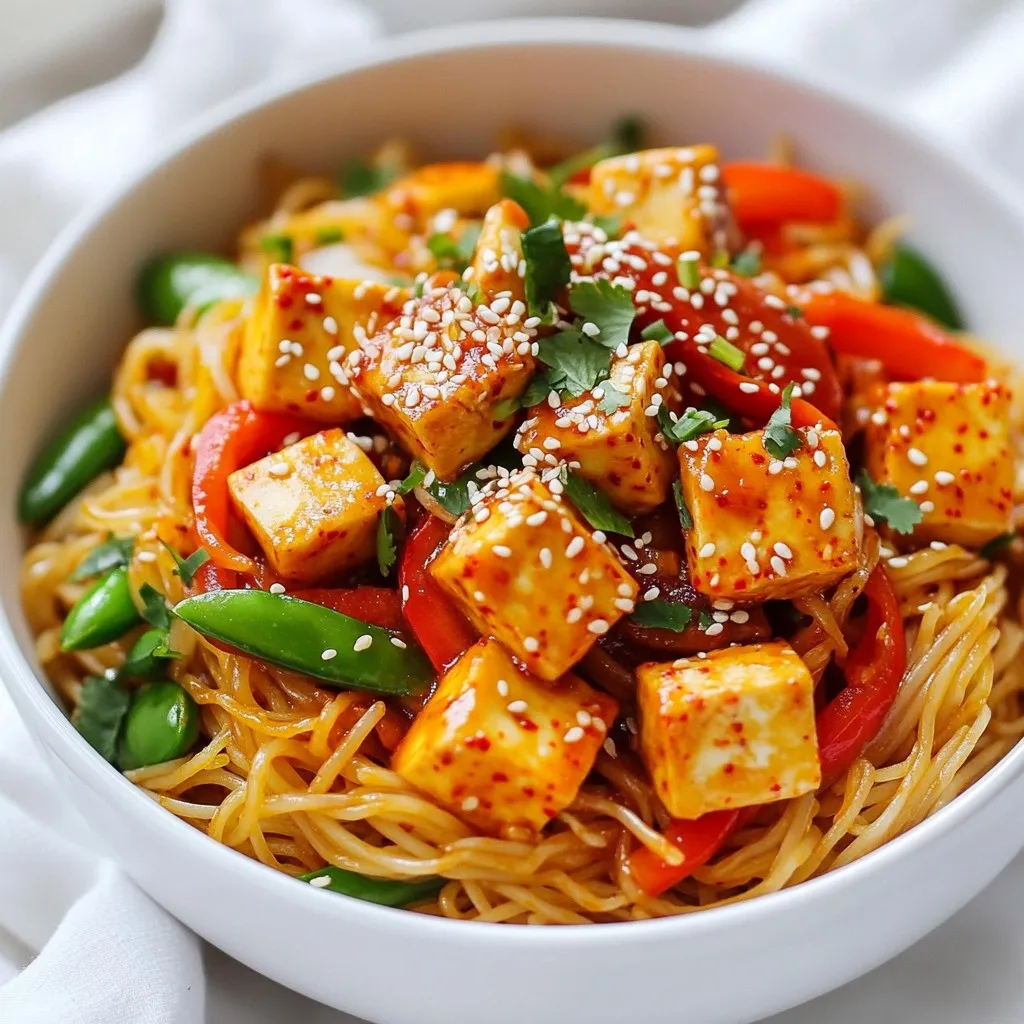
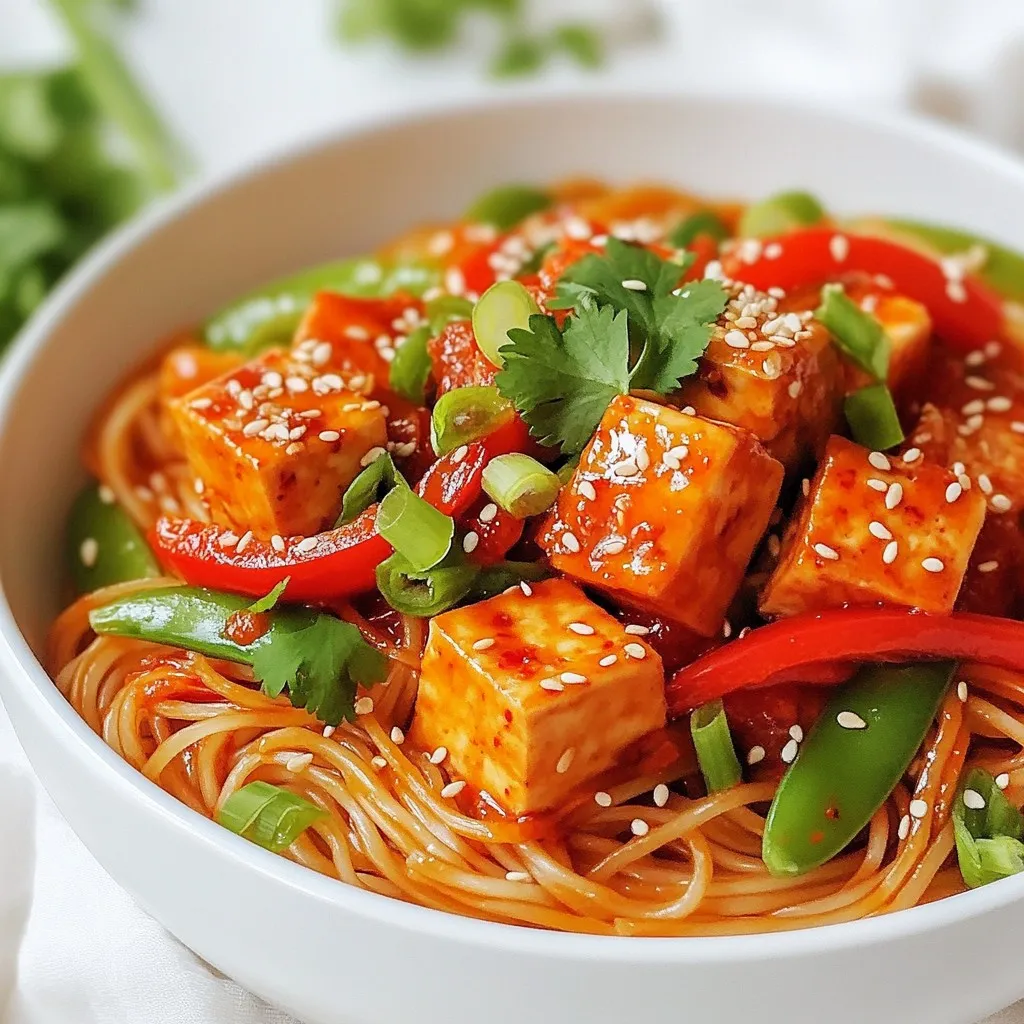
Craving a quick and bold meal? You’ll love these Spicy Gochujang Noodles! With just a handful of simple ingredients, this dish brings heat and flavor straight to your table. Easy to make and packed with tasty veggies, it’s perfect for any night. Let me guide you through this fun cooking adventure, ensuring you impress your friends and family with every bite. Ready to spice up your noodles? Let’s dive in!
Why I Love This Recipe
- Bold Flavors: The combination of gochujang, sesame oil, and ginger creates a deliciously spicy and savory sauce that elevates the noodles.
- Quick to Prepare: This recipe is perfect for busy weeknights, taking only about 25 minutes from start to finish.
- Vegetarian Delight: With tofu and fresh vegetables, this dish is a hearty and satisfying option for vegetarians and vegans.
- Customizable: You can easily adjust the spice level or swap out vegetables based on your preferences, making it versatile for everyone.
Ingredients
Main Ingredients
– 200g rice noodles
– 200g tofu, cubed
Sauce Ingredients
– 2 tablespoons gochujang (Korean red chili paste)
– 1 tablespoon sesame oil
– 1 tablespoon soy sauce
– 1 tablespoon honey or maple syrup
– 1 clove garlic, minced
– 1 teaspoon ginger, grated
Vegetable Ingredients
– 1 red bell pepper, sliced
– 1 cup snap peas
– 2 green onions, chopped
– Sesame seeds and fresh cilantro for garnish
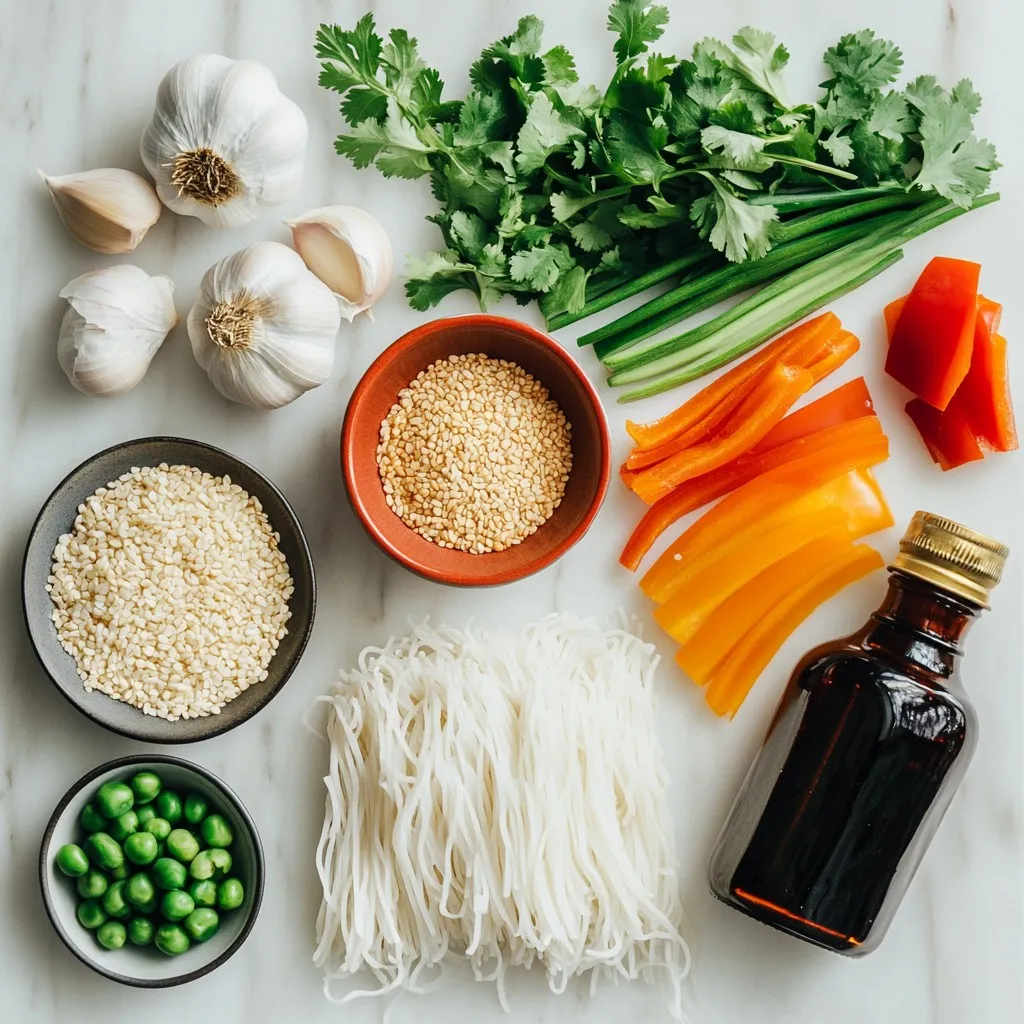
This dish starts with the rice noodles. They give the meal a great base. I love using rice noodles because they cook quickly and have a nice chewy texture. Next, the tofu adds protein and a nice bite. Make sure to cube it well.
For the sauce, gochujang is key. It brings heat and depth. You can adjust the heat by adding more gochujang if you like spice. The sesame oil adds a nutty flavor. Soy sauce gives it a savory kick. Honey or maple syrup balances the heat with sweetness. Garlic and ginger bring freshness and warmth.
The veggies make this dish colorful and healthy. Red bell pepper adds crunch and sweetness. Snap peas are crisp and bright. Green onions add a fresh bite and a pop of color. Don’t forget the sesame seeds and cilantro for garnishing. They add a lovely finish.
This combination of ingredients makes spicy gochujang noodles a fun and tasty meal. You can mix and match based on what you have. Enjoy making this dish!
Step-by-Step Instructions
Cooking the Noodles
First, bring a large pot of water to a boil. Add 200g of rice noodles. Cook them according to the package instructions until they are al dente. Once done, drain the noodles and set them aside.
Preparing the Sauce
In a small bowl, mix 2 tablespoons of gochujang, 1 tablespoon of sesame oil, and 1 tablespoon of soy sauce. Add 1 tablespoon of honey or maple syrup to balance the heat. Then, add 1 clove of minced garlic and 1 teaspoon of grated ginger. Stir until everything is well combined. If you like more spice, feel free to add more gochujang.
Cooking the Tofu
Next, heat a little oil in a skillet over medium-high heat. Add 200g of cubed tofu to the skillet. Sauté the tofu for about 5 to 7 minutes until it is golden brown on all sides. Once cooked, remove the tofu from the skillet and set it aside.
Stir-frying the Vegetables
In the same skillet, add the sliced red bell pepper and 1 cup of snap peas. Stir-fry the vegetables for about 3 to 4 minutes. You want them to be tender but still crisp.
Combining Ingredients
Now, it’s time to combine everything! Toss the cooked noodles into the skillet with the vegetables. Pour the prepared sauce over the noodles and mix well. Finally, add the sautéed tofu back into the skillet. Gently mix everything together until the noodles are coated in sauce.
Serving the Dish
Plate the spicy gochujang noodles into bowls. Garnish them with chopped green onions, sesame seeds, and fresh cilantro. Enjoy your tasty creation!
Tips & Tricks
Adjusting Spiciness
You can easily change the heat level in this dish. Start with 2 tablespoons of gochujang. Taste the sauce after mixing. If you want more heat, add more gochujang. Just remember, a little goes a long way!
Cooking Perfect Tofu
Tofu can be tricky, but I have some tips. First, use firm or extra-firm tofu. Press the tofu to remove excess water. This helps it get crispy. Heat a non-stick skillet over medium-high heat. Add a little oil and let it get hot. Then, add the cubed tofu. Cook until it’s golden brown on all sides, about 5-7 minutes. Don’t stir too much; let it sit to form a crust.
Noodle Cooking Tips
To cook rice noodles, follow the package instructions closely. Bring water to a boil first. Add the noodles and stir gently. Cook until they are al dente. This usually takes about 4-6 minutes. Drain them quickly and rinse under cold water. This stops the cooking process and keeps them from sticking together.
Pro Tips
- Adjust the Spice Level: If you prefer a milder dish, start with less gochujang and gradually add more to taste.
- Use Firm Tofu: For the best texture, opt for firm or extra-firm tofu, as it holds its shape better during cooking.
- Add Crunch: Add chopped peanuts or cashews as a topping for an extra crunch and flavor contrast.
- Customize Your Veggies: Feel free to substitute with your favorite vegetables like broccoli or carrots for a different twist.
Variations
Protein Alternatives
You can change the protein in spicy gochujang noodles. Try using chicken, shrimp, or tempeh.
– Chicken: Sauté diced chicken breast until cooked through. This adds a juicy taste.
– Shrimp: Cook shrimp until they turn pink. They add a nice, sweet flavor.
– Tempeh: For a plant-based option, use tempeh. Sauté it for great texture and taste.
Vegetable Swaps
Feel free to swap out the veggies in the recipe. This can add new flavors and colors.
– Broccoli: It cooks well and adds crunch. Just steam or stir-fry it briefly.
– Carrots: Slice them thinly and add them for a sweet taste. They look pretty too.
– Bell Peppers: Use different colors for a vibrant dish. They all taste great!
Gluten-Free Options
You can make spicy gochujang noodles gluten-free with simple swaps.
– Noodles: Use gluten-free rice noodles or another gluten-free pasta.
– Soy sauce: Choose gluten-free soy sauce or tamari. This keeps the flavor while avoiding gluten.
– Other ingredients: Always check labels to ensure other items are gluten-free.
These variations let you customize your spicy gochujang noodles. Enjoy experimenting!
Storage Info
Storing Leftovers
To keep your spicy gochujang noodles fresh, store them in an airtight container. Place them in the fridge if you plan to eat them within a few days. They will stay good for about 3 to 4 days. Make sure to cool the noodles to room temperature before sealing them up. This helps prevent moisture build-up and keeps your noodles from getting soggy.
Reheating Instructions
When you’re ready to enjoy your leftovers, gently reheat them. You can use a skillet over low heat. Add a splash of water or a little oil to help revive the texture. Stir often to ensure even heating. You can also use the microwave. Just cover the bowl with a lid or a damp paper towel to keep moisture in. Heat in short bursts, stirring in between, until warm.
Freezing Recommendations
If you want to save your spicy gochujang noodles for later, freezing is a great option. Place the cooled noodles in a freezer-safe bag. Squeeze out as much air as possible before sealing. They can last up to 2 months in the freezer. To thaw, move them to the fridge for a few hours or overnight. Then reheat as mentioned above for the best texture.
FAQs
What is Gochujang?
Gochujang is a thick, red paste from Korea. It is made from red chili powder, glutinous rice, fermented soybeans, and salt. This paste gives dishes a spicy and slightly sweet flavor. Its rich depth adds warmth and complexity. You can find gochujang in many grocery stores or Asian markets.
Can I use a different type of noodles?
Yes, you can use other noodles. Some great options include udon, soba, or even spaghetti. Each type will change the dish’s texture and flavor. Just follow the cooking instructions on the package. Make sure the noodles cook until they are tender but not mushy.
Is this dish vegan?
Yes, this dish is vegan! The ingredients are all plant-based. You can enjoy it without any animal products. The tofu adds protein, making the meal filling and nutritious. Feel free to add more veggies for an extra boost.
How long will the noodles stay fresh in the fridge?
The noodles will stay fresh for about 3 to 4 days in the fridge. Store them in an airtight container to keep them safe. When you reheat them, add a splash of water to help revive their texture.
Can I make this dish spicy?
Absolutely! To make it spicier, add more gochujang to the sauce. You can also include sliced fresh chili peppers or a sprinkle of red pepper flakes. Adjust the heat level to match your taste. Enjoy experimenting with different spice levels!
In this blog post, we explored a simple dish with rice noodles and tofu. We covered essential ingredients, from the spicy gochujang to fresh vegetables. I shared step-by-step instructions to guide you through cooking, along with tips for perfecting tofu and noodles. Consider variations like different proteins and veggies to suit your taste. With easy storage tips, you can enjoy leftovers too. Try this flavorful recipe and make it your own! Happy cookin
Spicy Gochujang Noodles
A flavorful and spicy noodle dish featuring gochujang and fresh vegetables.
Course Main Course
Cuisine Korean
Servings 2
Calories 450 kcal
- 200 g rice noodles
- 2 tablespoons gochujang (Korean red chili paste)
- 1 tablespoon sesame oil
- 1 tablespoon soy sauce
- 1 tablespoon honey or maple syrup
- 1 clove garlic, minced
- 1 teaspoon ginger, grated
- 200 g tofu, cubed
- 1 red bell pepper sliced
- 1 cup snap peas
- 2 green onions chopped
- Sesame seeds for garnish
- Fresh cilantro for garnish
In a large pot, bring water to a boil. Add the rice noodles and cook according to the package instructions until al dente. Drain and set aside.
In a small bowl, mix together gochujang, sesame oil, soy sauce, honey (or maple syrup), minced garlic, and grated ginger until well combined.
In a non-stick skillet or wok, heat a little oil over medium-high heat. Add the cubed tofu and sauté until golden brown on all sides, about 5-7 minutes. Remove from the skillet and set aside.
In the same skillet, add the sliced red bell pepper and snap peas. Stir-fry for about 3-4 minutes until slightly tender but still crisp.
Add the cooked noodles and the prepared sauce to the skillet with the vegetables. Toss everything together until the noodles are well coated with sauce. Finally, add the sautéed tofu back into the pan and mix gently to combine.
Plate the spicy gochujang noodles into bowls, garnishing with chopped green onions, sesame seeds, and fresh cilantro.
Adjust the spiciness by adding more gochujang if desired.
Keyword noodles, quick meal, spicy, vegan
WANT TO SAVE THIS RECIPE?