WANT TO SAVE THIS RECIPE?
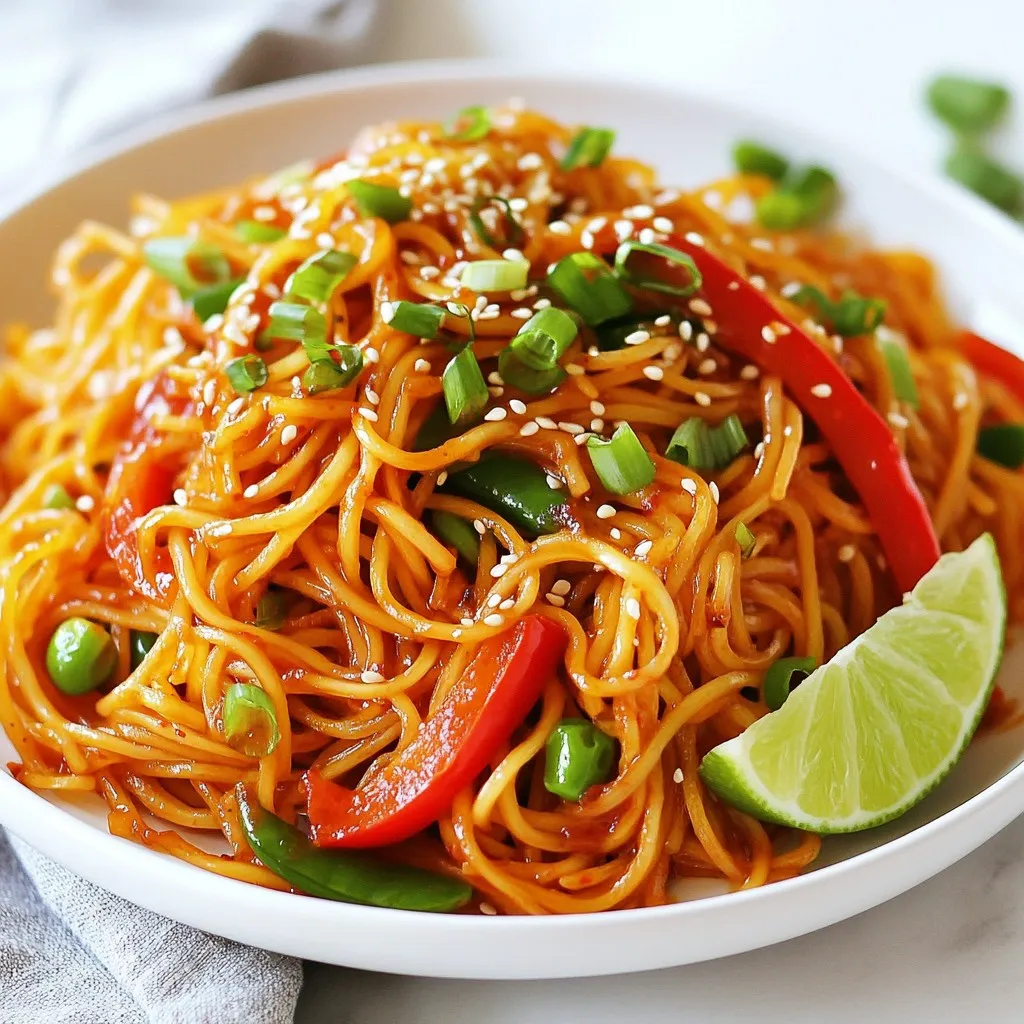
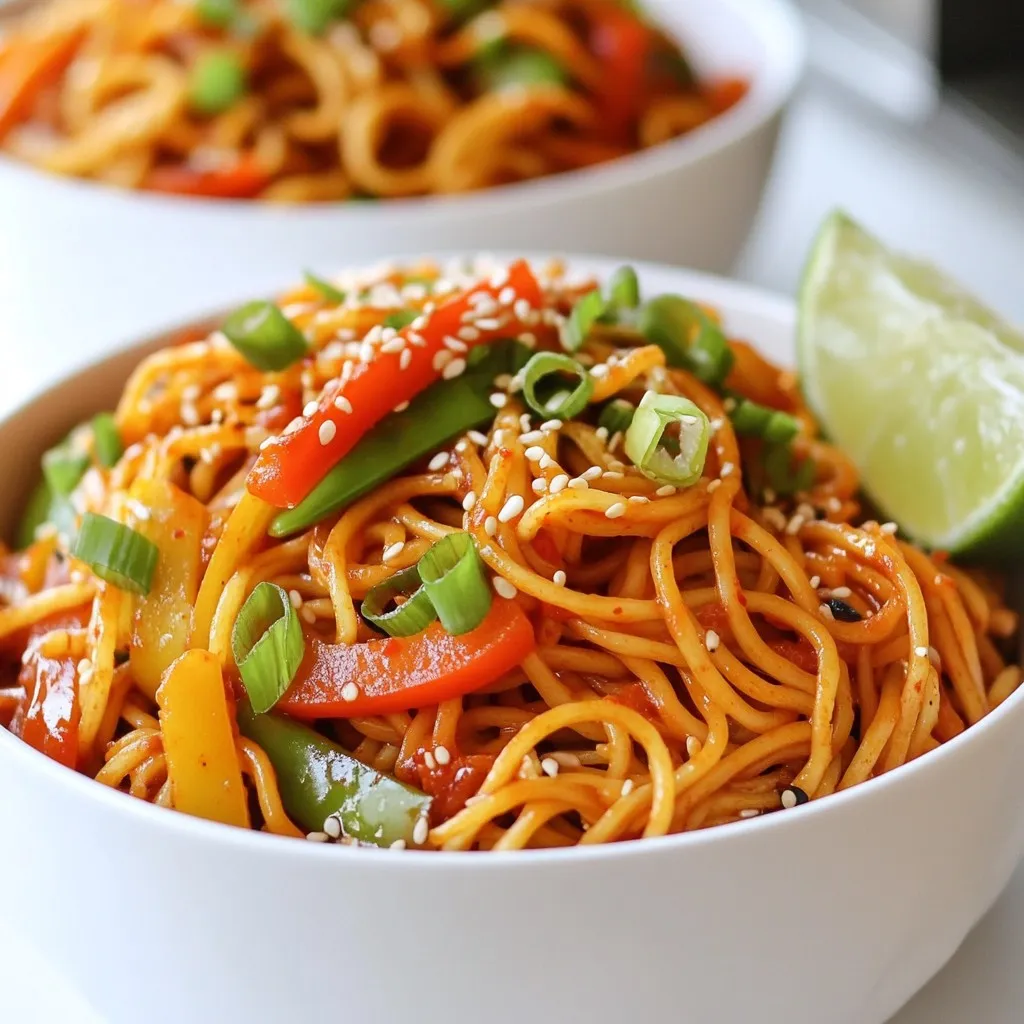
Craving a tasty meal that’s both easy to make and packed with flavor? You’re in the right spot! Today, I’ll show you how to whip up Spicy Gochujang Noodles. This dish combines chewy noodles, vibrant veggies, and a delicious Gochujang sauce that packs a punch. Whether you’re a novice in the kitchen or a seasoned pro, these noodles are sure to impress. Let’s dive into this quick and satisfying recipe!
Why I Love This Recipe
- Bold Flavors: The combination of gochujang, sesame oil, and honey creates a perfectly balanced spicy and sweet sauce.
- Quick and Easy: This recipe comes together in just 20 minutes, making it a perfect choice for busy weeknights.
- Colorful and Vibrant: With fresh bell peppers and snap peas, this dish is as beautiful as it is delicious.
- Customizable: Easily swap in your favorite vegetables or proteins to make it your own!
Ingredients
Main Ingredients List
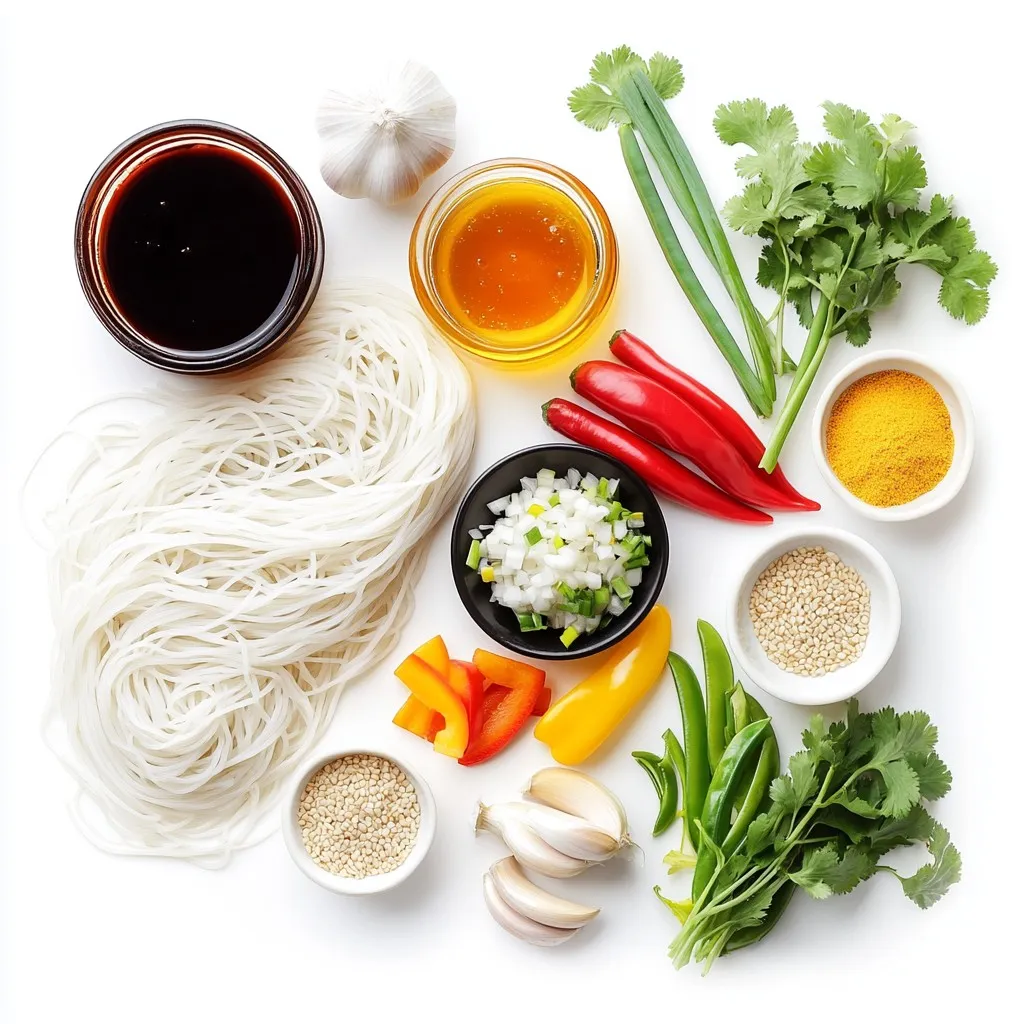
To make Spicy Gochujang Noodles, you will need:
– 8 oz. rice noodles
– 2 tablespoons gochujang (Korean chili paste)
– 1 tablespoon soy sauce
– 1 tablespoon sesame oil
– 1 tablespoon honey or maple syrup
– 1 clove garlic, minced
– 1 inch ginger, grated
– 1 cup bell peppers (red and yellow), thinly sliced
– 1 cup snap peas
– 2 green onions, chopped
– 1 tablespoon sesame seeds
– Cilantro for garnish (optional)
Optional Garnishes
You can add more flavor with:
– Chopped cilantro
– Lime wedges
– Extra sesame seeds
These garnishes make the dish look pretty and taste even better.
Ingredient Substitutions
You can switch some items if needed:
– Use rice vermicelli or soba noodles instead of rice noodles.
– Swap gochujang with sriracha for a different spice.
– Maple syrup can be replaced with agave syrup or sugar.
– Any crunchy vegetable works; try carrots or broccoli instead of snap peas.
These swaps keep the dish tasty and fun!
Step-by-Step Instructions
Cooking the Rice Noodles
To start, bring a pot of water to a boil. Add the 8 oz. of rice noodles. Cook them according to the package instructions until they are just right, or al dente. This usually takes about 4-6 minutes. When done, drain the noodles and rinse them under cold water. This stops the cooking and keeps them firm. Set the noodles aside for later.
Preparing the Gochujang Sauce
Now, grab a small bowl. In this bowl, mix together the gochujang, soy sauce, sesame oil, honey or maple syrup, minced garlic, and grated ginger. Use a whisk to blend everything until it is smooth. This sauce adds that spicy kick and sweet touch to your noodles.
Sautéing the Vegetables
Next, heat a drizzle of sesame oil in a large skillet or wok over medium-high heat. Once hot, add the thinly sliced bell peppers and snap peas. Cook these for about 3-4 minutes. You want them tender but still crisp. This step adds color and crunch to your dish.
Combining and Serving the Dish
Now it’s time to bring everything together. Add the cooked rice noodles to the skillet with the sautéed veggies. Pour the gochujang sauce over the top. Toss everything together for about 2 minutes. You want every noodle to be coated in that spicy sauce. Once heated through, remove from heat. Serve the dish hot, garnished with chopped green onions and sesame seeds. If you like, add fresh cilantro for an extra burst of flavor. Enjoy your spicy gochujang noodles!
Tips & Tricks
Perfecting the Noodle Texture
To get the best texture for your noodles, follow these steps. First, cook the rice noodles in boiling water. Keep an eye on the time and cook them until they are al dente. This means they should be firm to the bite. After cooking, drain them and rinse under cold water. This stops the cooking process and keeps them from getting too soft. You want your noodles to have a nice chew that holds the sauce well.
Enhancing Flavor Profiles
Gochujang is the star here, but you can add more depth. Mix in some sesame oil, soy sauce, and honey for a sweet and savory taste. You can also include garlic and ginger for a fresh kick. When you sauté the bell peppers and snap peas, let them stay crisp. This adds texture and bright flavor to the dish. Consider adding a splash of lime juice before serving for a bright finish.
Meal Prep and Time-Saving Tips
Meal prep can make this dish quick and easy. Chop your vegetables ahead of time and store them in the fridge. You can also make the sauce in advance. Just mix the gochujang, soy sauce, sesame oil, honey, garlic, and ginger in a bowl and keep it in the fridge. When you’re ready to eat, all you need to do is cook the noodles and sauté the veggies. This makes a tasty meal in about 10 minutes!
Pro Tips
- Adjust the Spice Level: If you prefer a milder dish, reduce the amount of gochujang or add more honey to balance the heat.
- Use Fresh Ingredients: Fresh vegetables not only enhance flavor but also add a vibrant color to your dish. Opt for seasonal veggies when possible.
- Customize Your Noodles: Feel free to substitute rice noodles with other types such as udon or soba for a different texture and taste.
- Meal Prep Friendly: This dish can be made in advance and stored in the fridge. Just reheat and add fresh toppings before serving.
Variations
Vegetarian and Vegan Options
You can easily make this dish vegetarian or vegan. Swap the honey for maple syrup. Use only veggies for protein. Tofu makes a great choice. It soaks up flavors well. You can fry or bake it for a nice texture. Add mushrooms for a meaty feel. They also add umami flavor.
Protein Add-Ins (Chicken, Tofu, Shrimp)
If you want protein, add chicken, shrimp, or tofu. For chicken, cut it into small pieces. Cook it until it’s golden brown. For shrimp, toss them in for a few minutes. They cook fast and add great flavor. Tofu is a good option too. Just press it to remove water and cut it into cubes. Add it when you sauté the veggies.
Different Vegetable Combinations
Feel free to mix up the veggies. Carrots, broccoli, or zucchini work well. You can also try bok choy or bean sprouts. Use what you have at home. This dish is very flexible. The key is to keep the veggies crisp. This adds texture and bright colors. More colors make the dish more fun to eat!
Storage Info
Storing Leftovers
To store your spicy gochujang noodles, let them cool first. Place them in an airtight container. Keep the noodles in the fridge for up to three days. Remember to keep the sauce separate if possible. This helps maintain the noodles’ texture.
Reheating Tips
When you’re ready to enjoy leftovers, reheat them gently. You can use a microwave or a skillet. If using a microwave, cover the bowl to trap steam. Heat in short bursts, stirring in between. For a skillet, add a splash of water or broth. This keeps the noodles moist and tasty.
Freezing Guidelines
Freezing spicy gochujang noodles is simple, but it changes the texture. If you want to freeze them, do so right after cooking. Place them in a freezer-safe container. They can last up to three months. To thaw, leave them in the fridge overnight or use the microwave.
FAQs
What is Gochujang?
Gochujang is a thick, red paste from Korea. It combines fermented soybeans, red chili pepper, and salt. The paste has a sweet and spicy taste. It adds depth to dishes like Spicy Gochujang Noodles. You can find it in most grocery stores or online.
Can I make Spicy Gochujang Noodles gluten-free?
Yes, you can! Use gluten-free rice noodles and gluten-free soy sauce. Many brands offer great options. Always check the labels to ensure they are safe for you.
How can I adjust the spice level?
You can control the spice by changing the amount of gochujang. For a milder flavor, use less gochujang. You can also add sugar or honey to balance heat. If you want it spicier, add more gochujang or some chili flakes.
How long do leftovers last?
Leftovers can last up to three days in the fridge. Store them in an airtight container. When you want to eat them, just reheat in a pan or microwave. Enjoy your tasty meal again!
This post covered the key elements of making spicy gochujang noodles. You learned about the main ingredients, optional garnishes, and useful substitutions. We explored step-by-step instructions, tips for perfect noodles, and variations for different tastes. Storing leftovers and reheating tips ensure you waste less food.
To wrap up, I encourage you to try this dish and make it your own. Cooking can be fun and rewarding. Enjoy every bit
Spicy Gochujang Noodles
A vibrant and spicy noodle dish featuring gochujang, fresh vegetables, and a hint of sweetness.
Course Main Course
Cuisine Korean
- 8 oz rice noodles
- 2 tablespoons gochujang (Korean chili paste)
- 1 tablespoon soy sauce
- 1 tablespoon sesame oil
- 1 tablespoon honey or maple syrup
- 1 clove garlic, minced
- 1 inch ginger, grated
- 1 cup bell peppers (red and yellow), thinly sliced
- 1 cup snap peas
- 2 green onions chopped
- 1 tablespoon sesame seeds
- optional Cilantro for garnish
Cook the Noodles: Bring a pot of water to boil and cook the rice noodles according to package instructions until al dente. Drain and rinse under cold water to stop the cooking process. Set aside.
Make the Sauce: In a small bowl, whisk together gochujang, soy sauce, sesame oil, honey (or maple syrup), minced garlic, and grated ginger until smooth.
Sauté Vegetables: In a large skillet or wok, heat a drizzle of sesame oil over medium-high heat. Add the sliced bell peppers and snap peas, cooking for about 3–4 minutes until they are tender but still crisp.
Combine Ingredients: Add the cooked noodles to the skillet with the sautéed vegetables. Pour the gochujang sauce over the top and toss everything together until well coated and heated through (about 2 minutes).
Serve: Remove from heat and garnish with chopped green onions and sesame seeds. Add fresh cilantro if desired for extra flavor.
Serve with a wedge of lime for extra zing.
Keyword gochujang, noodles, spicy, vegetarian
WANT TO SAVE THIS RECIPE?