WANT TO SAVE THIS RECIPE?
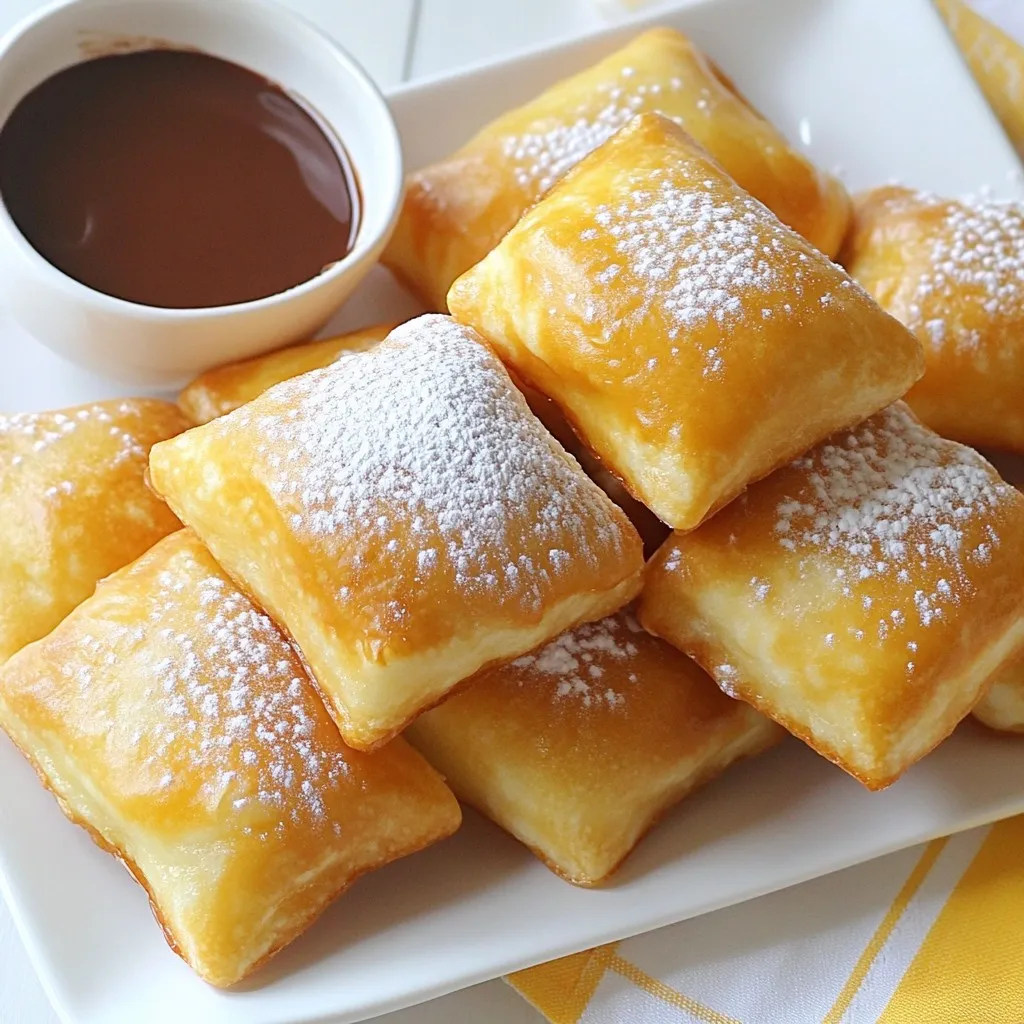
Have you ever tasted the joy of a soft, warm Vanilla French beignet? If not, you’re in for a delightful treat! In this article, I’ll share simple steps and helpful tips for making these fluffy, sweet pastries at home. With just a few basic ingredients and some easy-to-follow instructions, you can impress your friends and family. Let’s dive into the world of delicious beignets!
Why I Love This Recipe
- Deliciously Light: These beignets are incredibly soft and airy, making each bite a delightful experience.
- Quick and Easy: With just 15 minutes of prep time, you can whip up a batch of these tasty treats without any hassle.
- Versatile Treat: These beignets are perfect for breakfast, dessert, or a snack, and can be paired with various dipping sauces.
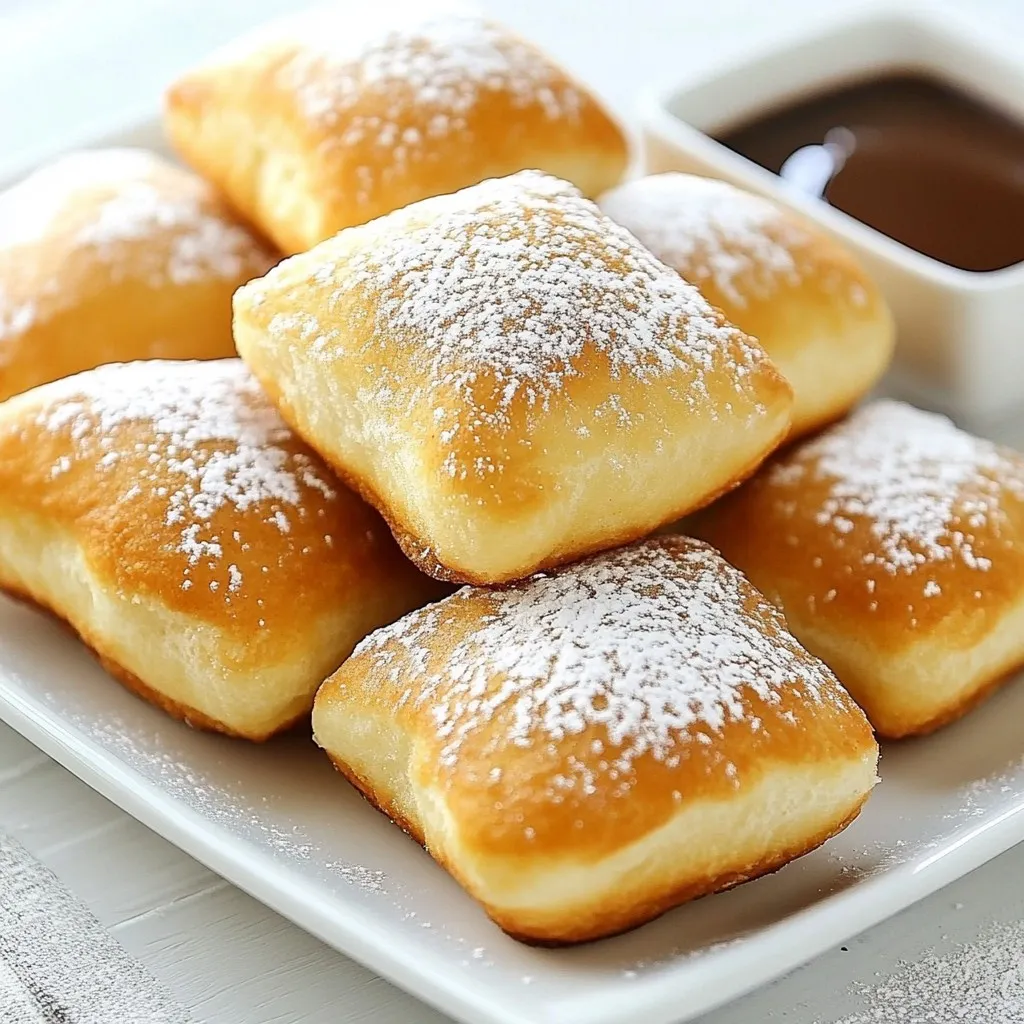
- Impressive Presentation: Dusted with powdered sugar and served warm, they are visually stunning and perfect for entertaining.
Ingredients
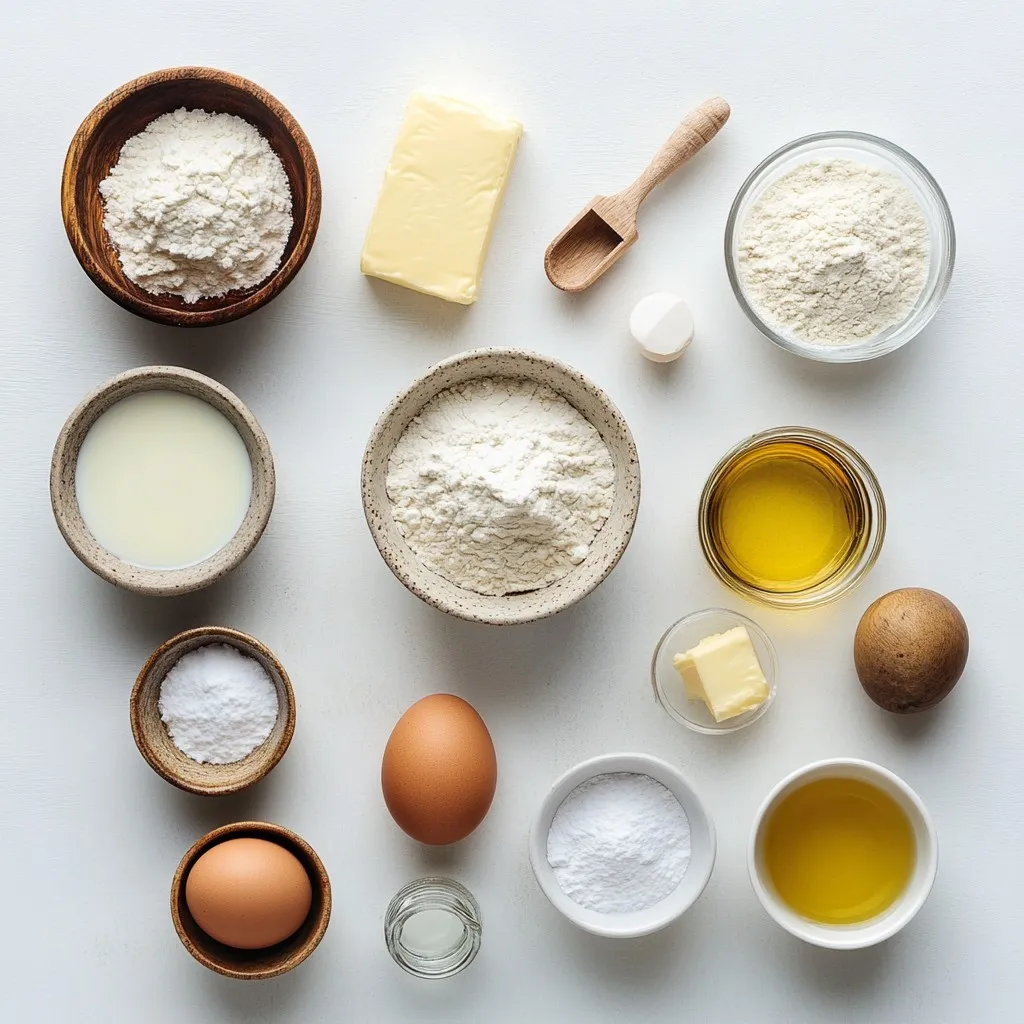
List of Required Ingredients
– 1 cup all-purpose flour
– 2 tablespoons granulated sugar
– 1 teaspoon baking powder
– ½ teaspoon salt
– 1 large egg
– ½ cup whole milk
– 1 teaspoon pure vanilla extract
– 2 tablespoons unsalted butter, melted
– Oil for frying
– Powdered sugar, for dusting
Recommended Ingredient Substitutions
You can replace all-purpose flour with gluten-free flour for a tasty option. If you want a dairy-free treat, use almond milk instead of whole milk. You can swap the large egg with a flax egg. Just mix one tablespoon of flaxseed meal with two and a half tablespoons of water. Let it sit for five minutes to thicken.
Tips for Choosing Quality Ingredients
For the best beignets, pick high-quality flour. Look for flour that feels fine and has a good texture. Use fresh baking powder to ensure your beignets puff up nicely. Choose whole milk for a rich taste. Always use pure vanilla extract for a strong, natural flavor. When you buy butter, select unsalted butter for more control over the salt in the recipe. Finally, use fresh powdered sugar for the best dusting.
Step-by-Step Instructions
Detailed Preparation Instructions
Mixing the Dry Ingredients
Start by taking a mixing bowl. Add 1 cup of all-purpose flour, 2 tablespoons of granulated sugar, 1 teaspoon of baking powder, and ½ teaspoon of salt. Whisk them together until they blend well. This mix gives your beignets structure and sweetness.
Combining Wet Ingredients
In another bowl, crack 1 large egg. Beat it lightly. Then, whisk in ½ cup of whole milk, 1 teaspoon of pure vanilla extract, and 2 tablespoons of melted unsalted butter. Mix until smooth. The vanilla gives a lovely flavor that makes these treats special.
Folding the Mixtures Together
Now, gradually add the wet mixture to the dry ingredients. Stir gently until just combined. Do not overmix; a few lumps are perfectly fine. This step ensures your beignets stay soft and fluffy.
Frying the Beignets
Heat oil in a deep pot or heavy skillet to 360°F (182°C). You need enough oil so the beignets can float while frying. Use a spoon to drop small balls of the batter, about 1 tablespoon each, into the hot oil. Fry them in small batches to avoid crowding. Cook for about 2-3 minutes on each side. They should turn golden brown and puff up nicely. Use a slotted spoon to take them out and place them on a paper towel-lined plate to drain excess oil.
Serving Suggestions
Once the beignets cool slightly, dust them with powdered sugar. Serve them warm on a nice plate. For an extra touch, pair them with chocolate or raspberry sauce for dipping. Enjoy these deliciously soft treats with family and friends!
Tips & Tricks
Common Mistakes to Avoid
Avoid overmixing your batter. A few lumps are fine. Overmixing makes beignets tough. Watch your frying time. If you fry too long, they can burn. If you fry too short, they stay raw inside. Also, do not overcrowd the pot. Fry in small batches for even cooking.
How to Achieve Pillow-Soft Texture
For soft beignets, use room temperature ingredients. Cold milk or eggs can change the texture. Also, let the batter rest for a few minutes before frying. This helps the dough relax. Finally, avoid pressing down on the beignets while frying. Let them puff up naturally in the oil.
Perfect Frying Temperature
Heat your oil to 360°F (182°C). Use a deep-fry thermometer for accuracy. If the oil is too cool, the batter will soak up oil. If too hot, the outside cooks too fast and the inside stays raw. A good rule is to test with a small drop of batter. If it sizzles and rises, the oil is ready!
Pro Tips
- Use Fresh Ingredients: Always use fresh eggs and high-quality vanilla extract for the best flavor in your beignets.
- Monitor Oil Temperature: Keep an eye on the oil temperature; too hot will burn the outside while leaving the inside raw, and too cool will make them greasy.
- Don’t Overmix: Mix the batter just until combined to ensure light and fluffy beignets; a few lumps are perfectly fine.
- Serve Immediately: Beignets are best enjoyed fresh and warm, so serve them right after frying for maximum fluffiness.
Variations
Flavor Enhancements
You can change the taste of your beignets easily. Adding spices like cinnamon or nutmeg gives warmth. A bit of lemon or orange zest brightens the flavor. These small changes can make a big impact.
For a sweet twist, consider filling your beignets. Chocolate or fruit fillings work well. A rich chocolate ganache or a tart raspberry jam can surprise your taste buds. You can fill them after frying, using a piping bag. Just poke a small hole and squeeze in the filling. This makes each bite even more exciting.
Dietary Adjustments
If you need gluten-free beignets, swap the all-purpose flour. Use a gluten-free flour blend instead. This works well and keeps the texture light. Make sure your baking powder is also gluten-free.
For vegan beignets, you can replace the egg. Use a flax egg or applesauce instead. Swap whole milk for almond milk or oat milk. Use vegan butter for the melted butter. These changes keep the beignets tasty and light. You won’t miss the eggs or dairy at all!
Storage Info
Best Practices for Storing Beignets
To keep your beignets fresh, store them in an airtight container. Place parchment paper between layers to prevent sticking. Keep them at room temperature for up to two days. If you want them to last longer, refrigerate them for about a week.
Reheating Instructions
To reheat beignets, simply place them in the oven. Preheat your oven to 350°F (175°C). Lay the beignets on a baking sheet and heat for about five to seven minutes. This method keeps them soft and warm. You can also reheat them in the microwave for about 10-15 seconds. However, they may lose some crispness.
Freezing Tips for Beignets
If you want to freeze beignets, let them cool first. Place them in a single layer on a baking sheet. Freeze them until solid, then transfer to a freezer-safe bag. They can last up to three months in the freezer. To enjoy, thaw them in the fridge overnight and reheat as mentioned above.
FAQs
What are beignets?
Beignets are deep-fried pastries. They are light, fluffy, and covered in powdered sugar. You can find them in many French cafes. The dough is simple, made from flour, sugar, and milk. The best part? They taste amazing fresh and warm.
How long do beignets stay fresh?
Beignets are best when fresh. They stay good for about 1 day at room temperature. After that, they lose their soft texture. If you want to keep them longer, store them in an airtight container. They can last about 2-3 days this way, but they may not be as fluffy.
Can I make beignets ahead of time?
You can prepare the dough ahead of time, but don’t fry them yet. Keep the dough in the fridge for up to 24 hours. When you’re ready, just scoop and fry them fresh. This way, you get that warm, soft texture everyone loves.
What is the history of French beignets?
Beignets date back to ancient times. They began in the Middle East and made their way to France. French chefs adapted the recipe over the years. Today, they are a popular treat, especially in New Orleans. They are often served during Mardi Gras celebrations, bringing joy to many.
Can I air-fry beignets instead of deep frying?
Yes, you can air-fry beignets! This method makes them a bit healthier. Use a preheated air fryer at 350°F (175°C). Lightly spray the beignets with oil. Cook them for about 8-10 minutes, flipping halfway. Though they may not be as crispy, they will still taste delicious.
In this post, we walked through the essential ingredients and detailed steps for making beignets. I shared tips to avoid common mistakes and achieve a soft texture. We explored various flavor enhancements and dietary adjustments to cater to different needs.
Beignets are fun and delicious treats. You can store them well for later, so don’t hesitate to try! Enjoy making them and impress your friends with your skill
Pillow-Soft Vanilla French Beignets
Deliciously soft and fluffy beignets, perfect for a sweet treat.
Course Dessert
Cuisine French
Servings 12
Calories 150 kcal
- 1 cup all-purpose flour
- 2 tablespoons granulated sugar
- 1 teaspoon baking powder
- 0.5 teaspoon salt
- 1 large egg
- 0.5 cup whole milk
- 1 teaspoon pure vanilla extract
- 2 tablespoons unsalted butter, melted
- as needed Oil for frying
- as needed Powdered sugar for dusting
In a mixing bowl, whisk together the flour, sugar, baking powder, and salt until well combined.
In another bowl, beat the egg and then whisk in the whole milk, vanilla extract, and melted butter until smooth.
Gradually add the wet ingredients to the dry ingredients, stirring until just combined. Be careful not to overmix; a few lumps are okay.
Heat oil in a deep pot or heavy skillet to 360°F (182°C). Use enough oil to allow the beignets to float while frying.
Use a spoon to drop small balls of the batter (about 1 tablespoon each) into the hot oil, frying a few at a time to avoid overcrowding.
Fry for about 2-3 minutes on each side, or until they are golden brown and puffed up.
Use a slotted spoon to transfer the beignets to a paper towel-lined plate to drain excess oil.
Once slightly cooled, dust generously with powdered sugar before serving.
Serve warm on a decorative plate, lightly dusted with more powdered sugar, and accompany with a side of chocolate or raspberry sauce for dipping.
Keyword beignets, dessert, fried dough
WANT TO SAVE THIS RECIPE?